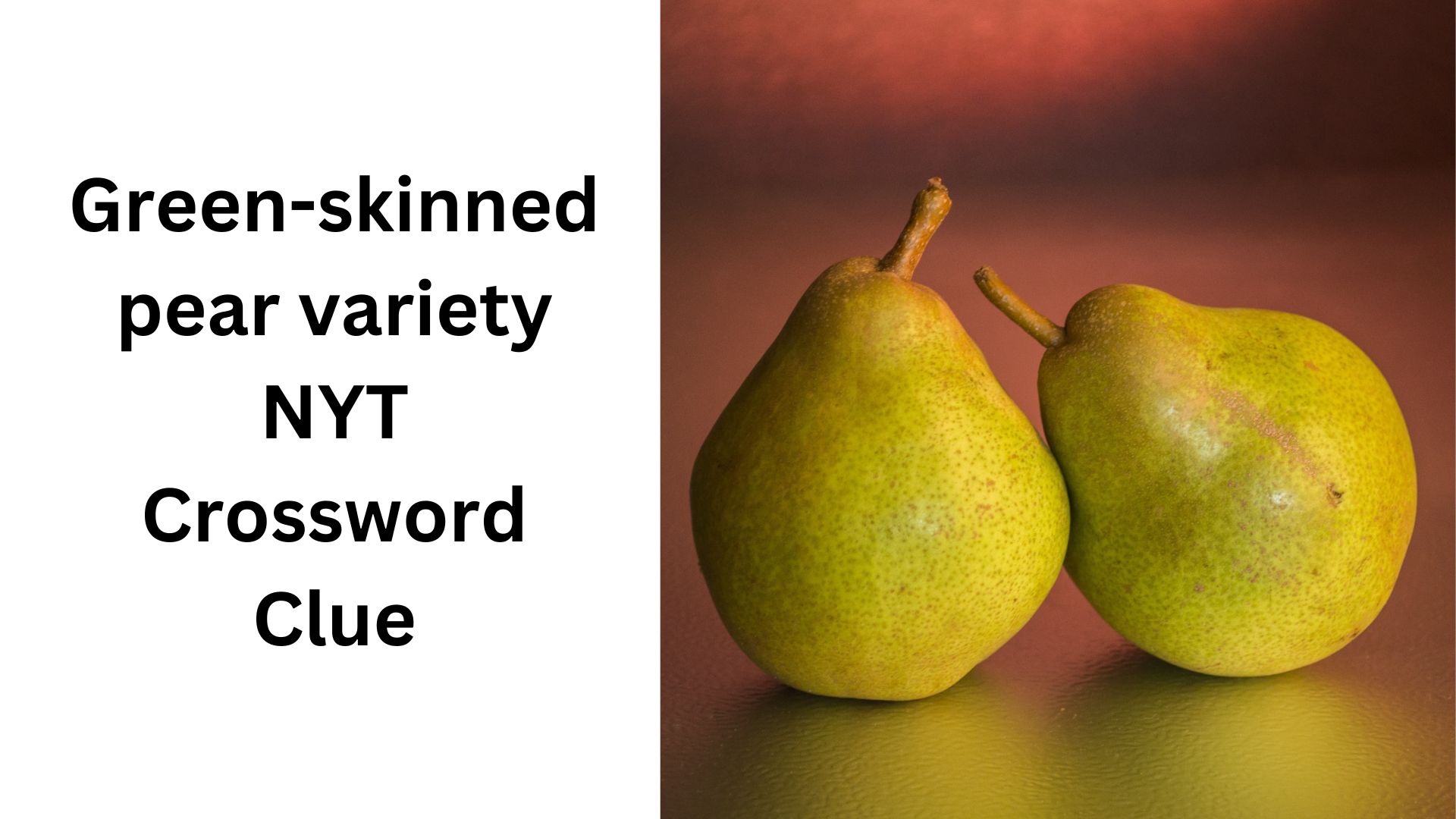
Anjou Pear: The Green-Skinned Variety That Solved the NYT Crossword
The world of crossword puzzles often introduces us to fascinating facts and hidden gems, and the December 11, 2024, NYT Mini Crossword was no exception. For many solvers, the clue "Green-skinned pear variety" proved to be a delightful challenge, prompting a search for a specific Pear Variety Nyt might feature. While most people picture pears as yellow, russet, or blushing with red, this particular clue pointed to a fruit that defies the norm, remaining distinctly green even when perfectly ripe. The answer, as many discovered with a satisfying click, was the Anjou pear – a versatile and delicious fruit with a unique personality.
This article delves into the Anjou pear, exploring its origins, characteristics, culinary applications, and why it's far more than just a crossword answer. Prepare to discover why this vibrant green fruit deserves a permanent spot in your fruit bowl and your kitchen repertoire.
Solving the NYT Crossword: The Elusive Green-Skinned Pear Variety
For avid crossword enthusiasts, the "Green-skinned pear variety" clue from the December 11, 2024, NYT Mini Crossword was a head-scratcher for some, and a moment of instant recognition for others. The challenge lay in the common perception of pears: think Bartlett, and you picture sunny yellow; think Bosc, and you see russet brown; think Red Bartlett, and the clue wouldn't fit at all. The notion of a pear that maintains its verdant hue throughout its ripening process is somewhat counter-intuitive to the casual observer.
The solution, a neat five letters, was ANJOU. This elegant answer immediately brought clarity, identifying a pear variety renowned for its consistent green skin, even when ripe and ready to eat. The clue specifically targeted a "green-skinned pear variety," differentiating it from others that might start green but change color dramatically as they mature. This makes the Anjou a distinct and memorable fruit, perfectly suited for a cleverly designed crossword puzzle that tests both general knowledge and specific details. Its presence in the NYT Crossword not only provided a satisfying "aha!" moment but also shone a spotlight on a pear that truly stands apart.
The Anjou Pear: A French Jewel with Global Appeal
Known formally as Beurré d’Anjou or simply d’Anjou pear, this delightful fruit boasts a rich heritage rooted in France. Its name, "Beurré," meaning "buttery" in French, hints at the potential smoothness of its flesh, though the Anjou is more celebrated for its crisp, apple-like texture. Originating in the mid-19th century, the Anjou quickly gained popularity, not just in its native land but across the globe.
- Distinctive Appearance: What truly sets the Anjou apart, and what made it the perfect Pear Variety Nyt crossword answer, is its unwavering green skin. Unlike many pear varieties that signal ripeness by changing color (from green to yellow, for instance), the Anjou steadfastly holds onto its vibrant green hue. This can sometimes mislead consumers, who might mistake its green skin for unripeness. It's crucial to remember that a green Anjou pear is often ripe and ready for enjoyment. While the classic Anjou is green, it's worth noting that a striking red variant, the Red Anjou, also exists, adding another dimension to this celebrated pear family.
- Cultivation and Availability: Thriving in colder climates, the Anjou pear is now extensively cultivated in the United States, particularly in the Pacific Northwest region, which offers ideal growing conditions. This widespread cultivation ensures that despite its European origins, the Anjou is readily available in grocery stores and farmers' markets across North America, allowing many to enjoy its unique qualities year-round.
- Sensory Profile: Beyond its distinctive appearance, the Anjou pear offers a captivating sensory experience. Its texture is firm and remarkably crunchy, often compared to that of a crisp apple. This firmness makes it an excellent choice for a variety of culinary applications, as it holds its shape well. The flavor profile is equally impressive: a delightful balance of sweetness complemented by a subtle, refreshing citrus note. This hint of citrus adds a layer of complexity not commonly found in other pear varieties, making it exceptionally palatable and versatile. For more details on its unique flavor, you can Discover Anjou Pear: NYT's Green Fruit with a Sweet Citrus Twist.
Beyond the Crossword: Enjoying the Anjou Pear in Your Kitchen
The Anjou pear is a culinary chameleon, equally at home as a simple snack or as the star ingredient in sophisticated dishes. Its firm texture and balanced flavor make it incredibly versatile.
How to Identify Ripeness: The "Neck Test"
Since the Anjou pear doesn't change color when ripe, how do you know it's ready to eat? The trick is the "neck test." Gently press on the neck (the stem end) of the pear with your thumb. If it yields slightly, the pear is ripe and ready. If it's hard, let it ripen a bit longer at room temperature. Avoid pressing the body of the pear, as this can bruise the fruit.
Versatile Culinary Uses:
- Eating Fresh: The Anjou pear is a perfect grab-and-go snack. Its crisp texture and refreshing taste make it incredibly satisfying on its own. Slice it up for a healthy addition to a packed lunch or a quick pick-me-up.
- Salads: The crispness and sweet-citrus notes of the Anjou pear make it an exceptional addition to fresh salads. Pair it with bitter greens like arugula or radicchio, crumbled blue cheese or goat cheese, toasted walnuts or pecans, and a light vinaigrette for a gourmet touch.
- Baking and Desserts: Thanks to its firm flesh, the Anjou pear holds its shape beautifully when cooked, making it ideal for baking. Think pear tarts, crumbles, crisps, or even poached pears in wine or syrup. Its natural sweetness means you might need less added sugar in your recipes. For more dessert inspiration, explore Anjou Pear Explained: Green, Crunchy, and Perfect for Desserts.
- Cheese Boards: Elevate your next cheese board with slices of fresh Anjou pear. Its clean, sweet flavor provides a wonderful counterpoint to salty, pungent, or creamy cheeses.
- Savory Dishes: Don't limit Anjou pears to sweet applications. They can be roasted alongside pork or chicken, added to stuffings, or pureed into a savory sauce to accompany rich meats, offering a surprising burst of flavor.
Nutritional Benefits:
Beyond its delightful taste and versatility, the Anjou pear is also a nutritional powerhouse. It's an excellent source of dietary fiber, which aids digestion and promotes a feeling of fullness. Pears also contain essential vitamins and minerals, including Vitamin C and potassium, contributing to overall health and well-being. Their natural sugars provide a healthy energy boost without the added processing found in many snacks.
Anjou vs. Other Pears: What Makes It Stand Out?
While all pears offer unique charms, the Anjou distinguishes itself in several key ways, solidifying its identity as the Pear Variety Nyt crossword puzzle highlighted.
- Appearance: The most obvious differentiator is its consistent green skin. While some pears like Bartlett start green and turn yellow, or Comice have a green base with red blush, the Anjou maintains its clean, bright green hue even when perfectly ripe. This often requires a shift in how one perceives pear ripeness.
- Texture: Anjou pears are known for their firm, dense flesh and crisp, juicy bite, often compared to an apple. This contrasts with varieties like Bartlett, which can become quite soft and buttery when ripe, or Comice, known for their melt-in-your-mouth texture. The Anjou's firmness makes it exceptionally good for slicing and cooking.
- Flavor Profile: While many pears are simply sweet, the Anjou offers a more complex flavor profile with its distinct sweet and citrusy notes. This subtle tang adds a refreshing quality that sets it apart from the more uniformly sweet flavors of a Bosc or the intense aromatics of a Forelle.
- Ripening Process: As mentioned, the Anjou’s lack of color change during ripening is a significant distinction. This means consumers must rely on the "neck test" rather than visual cues, which can be a learning curve for those accustomed to other varieties.
These unique characteristics not only make the Anjou pear a fascinating subject for a crossword clue but also cement its status as a premier fruit for a wide array of culinary explorations. It truly offers a different experience compared to its more common pear cousins.
Conclusion
From a puzzling crossword clue to a celebrated fruit, the Anjou pear has earned its place in the spotlight. Its distinctive green skin, unique sweet-citrus flavor, and firm, crunchy texture set it apart from other varieties. Whether you encountered it while solving the NYT Mini Crossword or simply stumbled upon it in the produce aisle, the Anjou pear is a fruit worth getting to know. Its versatility in the kitchen, coupled with its nutritional benefits, makes it an excellent choice for everything from a simple snack to an elegant dessert. So, next time you're seeking a refreshing, flavorful, and distinctly green-skinned fruit, reach for an Anjou and discover the delightful solution to both a crossword puzzle and your culinary cravings.